Noli foras ire, in te ipsum redi; in interiore homine habitat veritas.
Do not go outward; return into yourself. Truth dwells in the inner man.
Augustine, De vera religione 39.72
A new field of study
Anamnetics
The study of awakening as the remembrance of Self.
1
Anamnet’ics, n. [Gr. ἀνάμνησις, recollection; from ἀνά, back, again, and μιμνῄσκω, to remind.]
1.The study of awakening as the remembrance of Self: the inward turn, the reclamation of conscious agency, and the process by which both unfold under modern conditions.
2.The body of knowledge, method and guidance drawn from that study.
Anamnet’ic, a. Pertaining to anamnetics, or to the process of remembrance; as, the anamnetic process.
Anamnet’ically, adv. By way of remembrance.
Anamne’sis, n. The act of remembering; the return to the soul of what it already holds. In the Platonic sense; distinct from its medical use as a patient’s case history.
Anamne’ma, n. plu. anamnemata. [Gr. ἀνάμνημα, a memorial.] That which calls the soul to remember; a reminder.
Anamnet’ica, n. plu. The writings and works of the field, taken together; as, a library of anamnetica.
2
From anamnesis, remembrance
Plato came back to this idea more than once. In the Meno, Socrates questions a young servant who has never studied geometry, and step by step the boy works out the answer to a geometric problem on his own. Nothing is put into his mind. He is asked, and he answers. Plato concluded that the soul had known these things before birth, and that what we call learning is recollection. He named it anamnesis.
The Phaedo returns to it as part of the case that the soul existed before the body. The Republic gives it an image: prisoners in a cave take the shadows on the wall for the world, until one of them is freed, climbs toward the light, and comes back to tell the others what he saw.
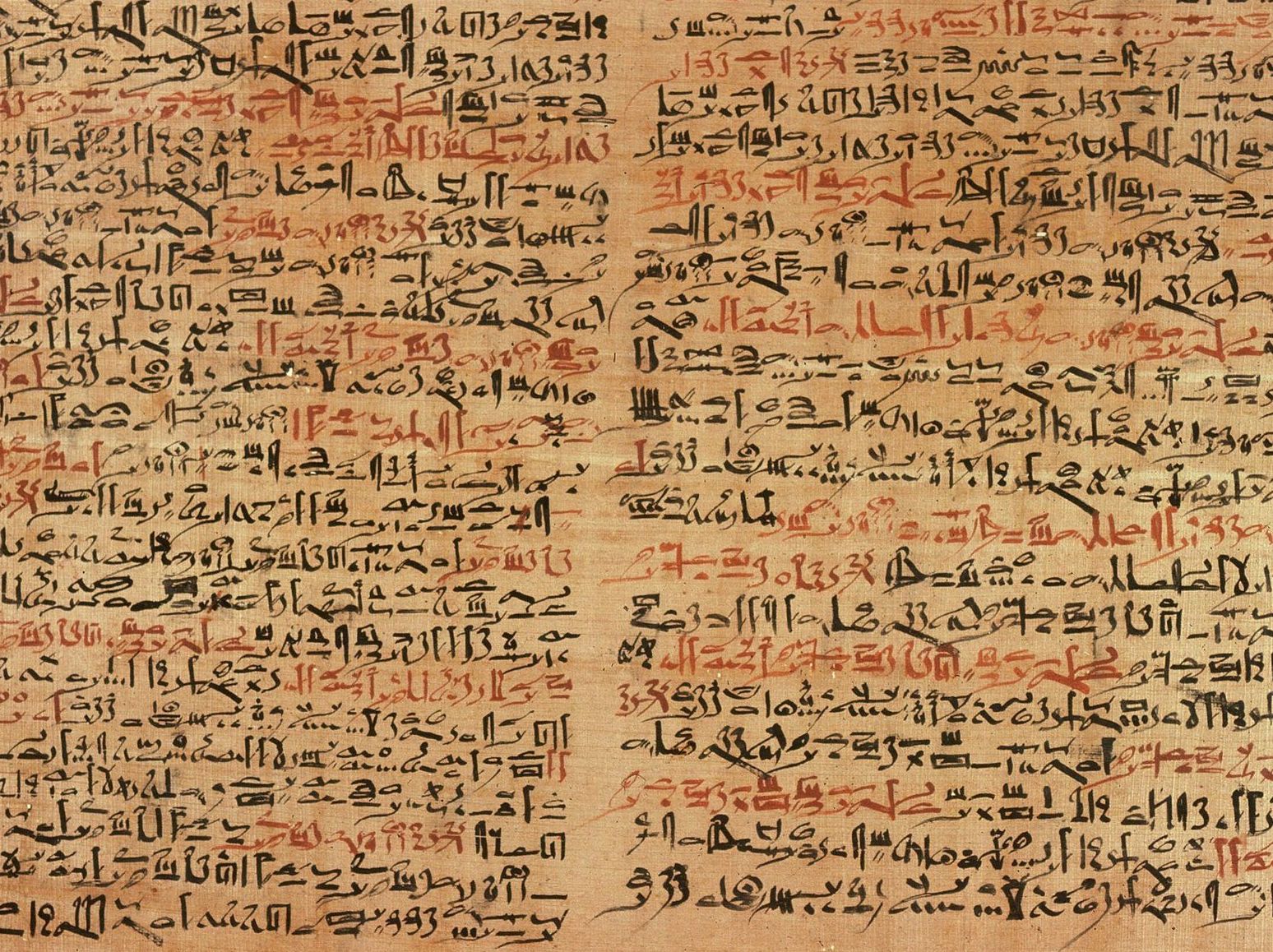
Although Plato gave the concept its name, the idea of remembrance crosses time and tradition, from ancient cultures to modern systems of belief.
3
Lineage of the idea
Anamnetics takes that idea out of the ancient texts and into the present. It names the study of remembering as it happens now, in ordinary lives, in a modern world that has no word for it.
4
Why a discipline
Awakening has no field of its own
Around the world, individuals are waking up to an illusion they never thought to question. The picture of reality they were raised to accept falls apart, and grief and disorientation tend to follow. Most go through this without support, in isolation, searching for a way to make sense of it all.
Modern psychology and medicine have no framework for this process, and the signs of awakening are viewed as symptoms of disorder. This forces the individual to find their way through the Spiral alone, often unable to speak of it even to those closest to them.
Every tradition holds that awakening is remembrance. What no field has yet studied is remembrance under modern conditions, where attention is trained outward and agency is handed to systems.
Anamnetics gives this process both a name and a body of study, bringing the awakening experience out of the shadows and into the light. Through this, awakening can be accepted for what it is: the natural evolution of the soul, for the individual and for the collective.
5
Scope
The five branches of study
IThe anamnetic process
Anamnetics studies the stages of awakening. An early map drawn for the modern awakening process, The Morning After, sets out five phases. Various traditions describe the stages differently.
- The Shattering. The veil lifts, the illusion dissipates. Nothing looks the same.
- The Spiral. The chaos period. Isolation compounds, and there is no visible exit.
- The Threshold. A first glimpse of the other side: what is possible, and the infinite ways reality can be experienced.
- The Emergence. The step into balance, and the integration of what has been remembered of oneness and observation.
- The Sovereign Self. The return to Self. Knowing Who You Are.
IIConscious agency
The inward turn, and the power of language and thought to shape reality; the Self as Source.
IIIThe architecture of reality and belief
How reality is organized, and how belief is built and kept in place. This branch studies the patterns of reality, beginning with the base-10 control matrix, the base-12 natural matrix, and the fractal structures of perception that lie beneath both.
IVUniversal and Natural Law
This branch studies the laws beneath those patterns: Universal Law, Natural Law, and the sovereignty of the living Man under these laws.
VHolistic healing of body, mind and spirit
Remembering reaches the body and the emotions as well as the mind. This branch studies how healing unfolds as part of awakening.

6 · The Institute’s mission
iHolistica, the Institute for Holistic Health and Advanced Energetica, advances the study of Anamnetics: awakening into remembrance of Who You Are. The Institute brings awakening out of the shadows and into the light through research, guidance, community and healing. It supports each individual through the anamnetic process as it unfolds.
VisionA collective that has moved through this time of transition and into conscious remembrance of Who We Are.
Begin where you are
Read how the Institute came to this work, or start the free course on the five phases.
A member-supported institute for research, education and preserved knowledge.
The work behind Anamnetics began with the founding of iHolistica, the Institute for Holistic Health and Advanced Energetica, in January 2026. The name, and this founding statement, followed on October 27, 2026.